Poetry
The decline of narrative verse
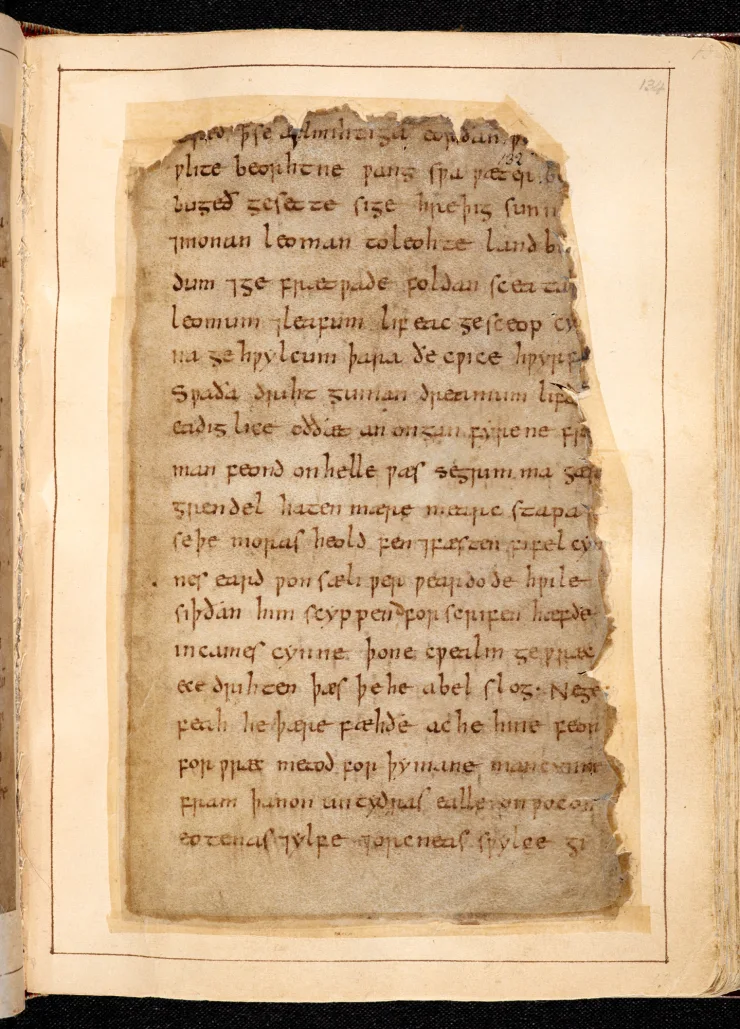

The decline of narrative verse has coincided to a large extent with the decline of the oral tradition of poetry. Edward Hirsch in his wonderful book, How to Read A Poem, discusses the oral tradition from which poetry springs: "We do know that throughout history oral expression can and has existed without writing, but that writing has never existed without orality" (213). In fact, poetry as a (solely) written tradition has emerged only relatively recently.
It began, unsurprisingly, with the emergence of television and radio for popular entertainment. These replaced poetry (and other forms of literature), as the primary family entertainment, and with the decline of poetry as an oral tradition, came the rise of modern verse, which seems to have abandoned poetry's hedonistic (i.e., of or relating to "pleasure or happiness") purpose to focus solely on its didactic (i.e., "fitted or intended to teach") purpose.
"The epic singer brings together a powerful memory and a strong voice [. . .] to build an epic tale in song and verse" (Hirsch 212). The modern poet, in contrast, feels the need to make every word count, to burden his poem with layered meanings and multiple interpretations, to create the ultimate condensation of thought and emotion. "Also, modern poetry tends to lack logical sequence, thus eliminating or at least opening up as suspect, narrative verse" (Hyles "Poetry" 7). In doing this, however, the poet has also excluded from consideration any verse that does not aspire to this heavy burden, any verse that subordinates the didactic purpose to the hedonistic one, in short any verse whose primary purpose is entertainment, which is to say narrative verse .
Indeed, critics no longer consider narrative verse worthy of the term 'poetry' and it is instead consigned to the realm of 'light verse,' 'doggerel,' or 'fluff.' The impertinence! Verse with a hedonistic leaning (and we must realize that no verse is entirely hedonistic) benefits at least as much from a thoughtful consideration and explication as does its less enjoyable modern counterpart.