Fantasy
What is fantasy?
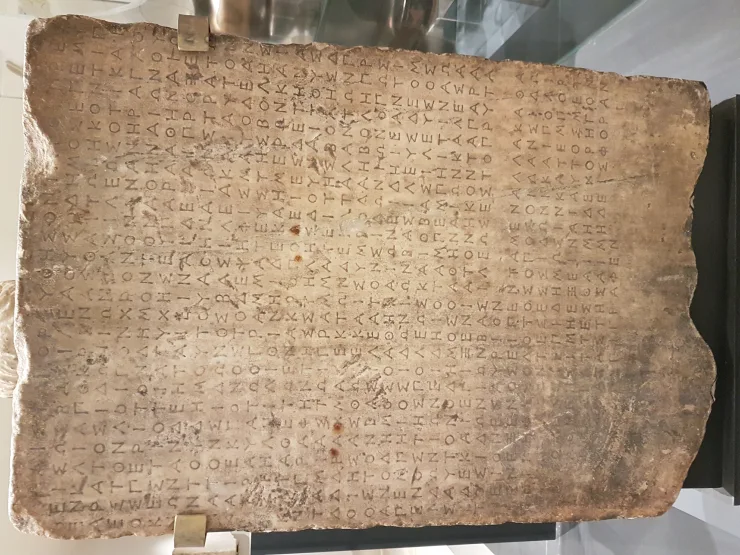

The term fantasy originates from the Greek φαντασία (phantasiá) whose root is φανός (phanós or phaíno-light or bring to light). It means a mental image or imagination as distinguished from φαινόμενον (phaínomenon), which refers to something as it actually appears to us. However, fantasy has been turned aside from its en'light'ened roots, along with fancy and feign, to mean "that which most people believe to be untrue" (Scholes 7-8). Psychology has retained something of the original meaning:
For psychoanalysis the term phantasy (German: Phantasie) has a precise meaning that the ordinary usage 'fantasy' does not. It specifies: (1) an imaginary scene or narrative (2) in which the subject is present (3) but a scene altered or disguised (4) so that it may fulfill a wish for the subject. Phantasy turns ideas into narratives[. . .] But literature has always done this. (Easthope 11)
And here we begin to come to the meaning in which I and other fantasy authors use the term fantasy. Fantasy is the juxtaposition of the wondrous with the plain, the impossible with the possible, the unreal with reality. Tolkien put it thus: "I require a word which shall embrace both the sub-creative Art in itself and a quality of strangeness and wonder in the Expression, derived from the Image: a quality essential to the fairy story. I propose[. . .] to use Fantasy for this purpose" (Tree 123). So we begin to understand the definition of fantasy as a genre of literature. However, there is much dreck within the popular literary genres, and it is certainly not necessary to critically treat all of it. So how do we thin the herd? Of course the ultimate test of great literature is the test of time: however, as Ursula K. LeGuin notes, "One can trust in the verdict of posterity, but it's not a handy tool to apply in specific instances" ("Citizen" 29). So next we must look at the origins and purposes of fantasy.