Fantasy
Mythopoeia
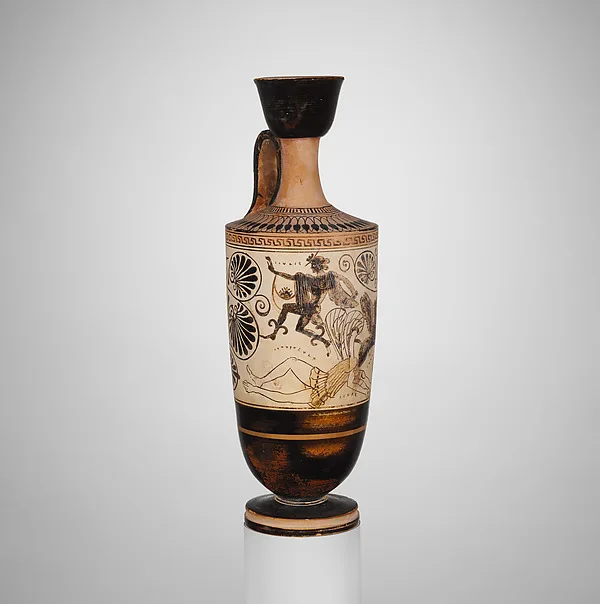
In addition to fulfilling the purposes of escape and the satisfaction of desire, fantasy simply is mythology. While this may seem a sweeping statement at first, it is in fact the truth. A myth is "a story [. . .] that ostensibly relates historical events usually of such character as to serve to explain some practice, belief, institution, or natural phenomenon [. . .] a story invented as a veiled explanation of a truth [. . .] a belief or concept that embodies a visionary ideal." The realists of modern 'literary' fiction are stuck with reality as it is. Fantasy is free to deal with reality as it should be or could be (Tolkien Tree 131-33).
Fantasy is the creation of a mythology that explores the human condition, usually revealing a truth or truths that were previously hidden, repressed, or unexamined, by re-examining basic truths or archetypes in a fantastic (i.e., unusual, wondrous, different) setting. "The fantastic at its best is the shocking disclosure of an ignored possibility. It always represents forces that challenge normality, but at its most characteristic, it challenges the categories themselves that constitute 'normality'" (Malekin 11). This revelatory purpose of fantasy lies at the real root of much of ancient fantasy (or if you prefer the term, mythology); however, it was in the Romantic age that created (or re-created, or "sub created") fantasy first blossomed. "With Shelley, the fantastic comes into its own as a measure of self-exploration and self-transcendence as well as a means of transforming our world.
Although this is not the only use of the fantastic, it is its most profoundly alive use, and it is still the spearhead of the use/usefulness of the fantastic today" (Malekin 28). Since then, this purpose of fantasy (or at least of great fantasy) has come to be more and more widely recognized. And what differentiates this revelatory nature from allegory? After all, allegory, too, claims to reveal the truth about the world (or human condition, or religion, or society, or what have you) through the use of fictional settings. Let's look at fantasy versus allegory.