Fantasy
The origins of fantasy
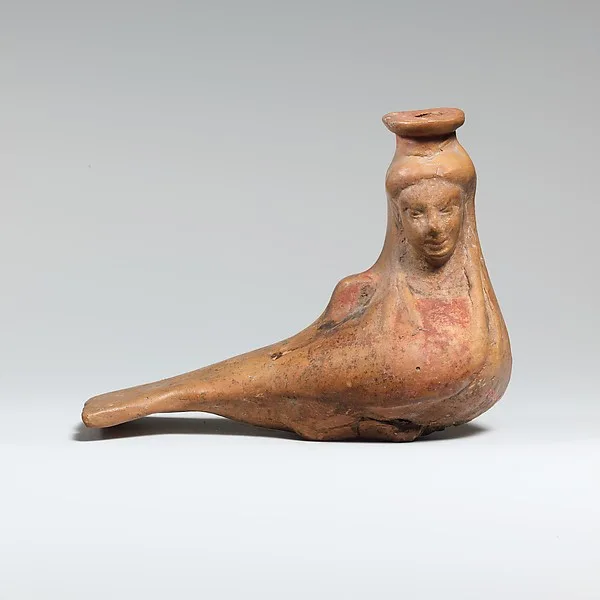
The earliest origins of fantasy as literature reside, along with fantasy as a term, in Greece. The Iliad and Odyssey were almost certainly created as tales for entertainment, and it is unlikely that the particular details of their narratives (which likely changed from telling to telling) were believed to be fact by their audience. However, they were also almost as certainly believed, as a whole, to contain truth. They were, even when they were created, mythology (i.e., the embodiment of universal truth in a fictitious narrative), and as such are the most ancient precursors of the modern fantasy.
English fantasy arose out of the Germanic, Gaelic, Celtic, and Norse folk tales, wives' tales, and legends. "For their makers and their audiences, the folk tales were mostly of their actual world though attending to aspects of it normally hidden, dark, or mysterious. Only the development of positivistic science and its literary handmaiden realism made the folk tales fantastic, because they made the world scientific and realistic" (Scholes 11-12).
However, whether believed to be reality or accepted as myth, fantasy has from the beginning served three basic purposes: the production of pleasure (escape), the satisfaction of certain (usually suppressed) desires (wish-fulfillment), and the examination of truth (especially about the human condition) through myth-making (mythopoeia). Of course there is some overlap between these categories, but nevertheless it is a relevant division for the purposes of discussion.